img

Understanding the Maximum Duration of Representation Contracts in Football

Understanding the Maximum Duration of Representation Contracts in Football

Understanding Representation Contracts

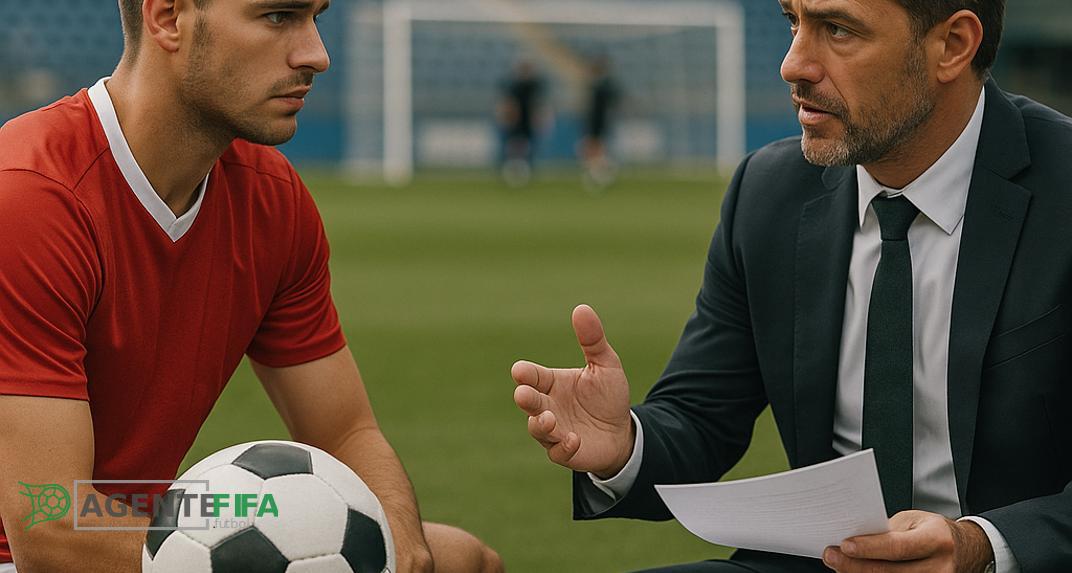
As a football agent, I often encounter players who are uncertain about the terms of their representation contracts. These contracts are essential for establishing a professional relationship between players and agents, and they outline the rights and obligations of both parties. One of the critical aspects of these contracts is their duration, which is regulated by FIFA and national football associations.

FIFA Regulations on Representation Contracts

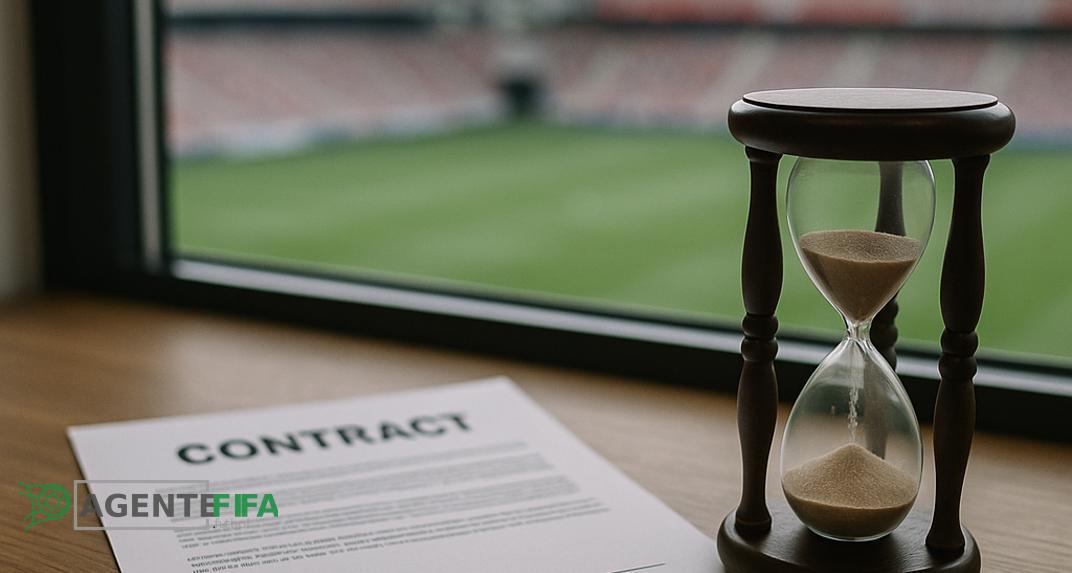
FIFA has set clear guidelines regarding the maximum duration of representation contracts. According to FIFA regulations, the maximum duration of a representation contract should not exceed two years. This rule is designed to protect players from being tied to an agent for an extended period, ensuring they have the freedom to change representation if their needs evolve.

In my experience, this two-year limit is beneficial for both players and agents. It allows players to reassess their representation every couple of years, ensuring they are always working with someone who aligns with their career goals. For agents, it encourages them to maintain a high level of service and performance, knowing they must prove their value within a limited timeframe.

Exceptions to the Rule

While the two-year maximum is the standard, there are instances where exceptions may apply. For example, if a player is under the age of 18, the duration of the contract may be shorter, often limited to one year. This provision is in place to protect young talents from being exploited and to ensure they have the opportunity to make informed decisions about their careers.

In my practice, I have seen how these exceptions can play a pivotal role in shaping a young player's career. It’s crucial for young athletes to have the right guidance and flexibility as they navigate their early years in professional football.

Renewals and Terminations

At the end of a contract, players have the option to renew their agreements with their agents. This renewal process must be conducted in compliance with FIFA regulations, ensuring that both parties agree on the terms. It’s essential to have open communication during this period, as it can significantly impact a player’s future.

Additionally, players have the right to terminate their contracts under specific circumstances. For instance, if an agent fails to fulfill their obligations or if the player feels that their interests are not being adequately represented, they can seek to terminate the contract. I have advised many players on how to navigate this process, emphasizing the importance of documenting any issues that arise during the representation period.

Best Practices for Players and Agents

To ensure a successful partnership, both players and agents should adhere to best practices when entering into representation contracts. Here are some key recommendations:

  • Clear Communication: Establish open lines of communication from the start. Discuss expectations, goals, and any concerns that may arise.
  • Understand the Terms: Take the time to read and understand the contract thoroughly. If necessary, seek legal advice to clarify any ambiguous terms.
  • Regular Reviews: Schedule regular check-ins to assess the relationship and make adjustments as needed. This practice can help prevent misunderstandings.
  • Document Everything: Keep records of all communications and agreements. This documentation can be invaluable in case of disputes.

By following these best practices, players can ensure they are making informed decisions about their representation and career trajectory.

Conclusion

Understanding the maximum duration of representation contracts is vital for anyone involved in football. By adhering to FIFA regulations and maintaining clear communication, both players and agents can foster a successful partnership. Remember, the goal is to create a mutually beneficial relationship that supports the player’s career aspirations.